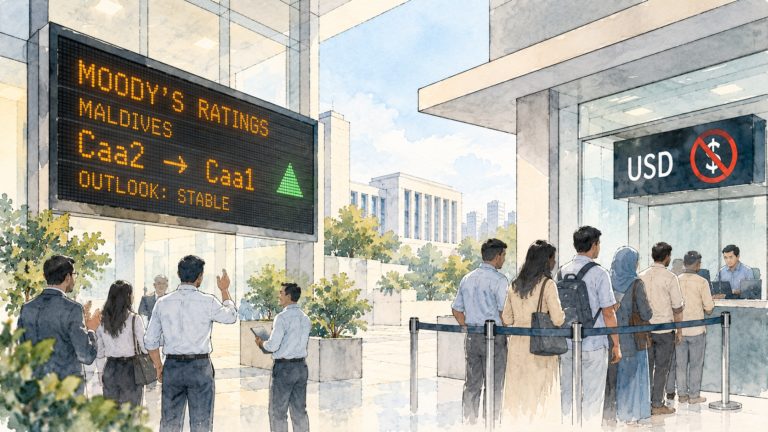
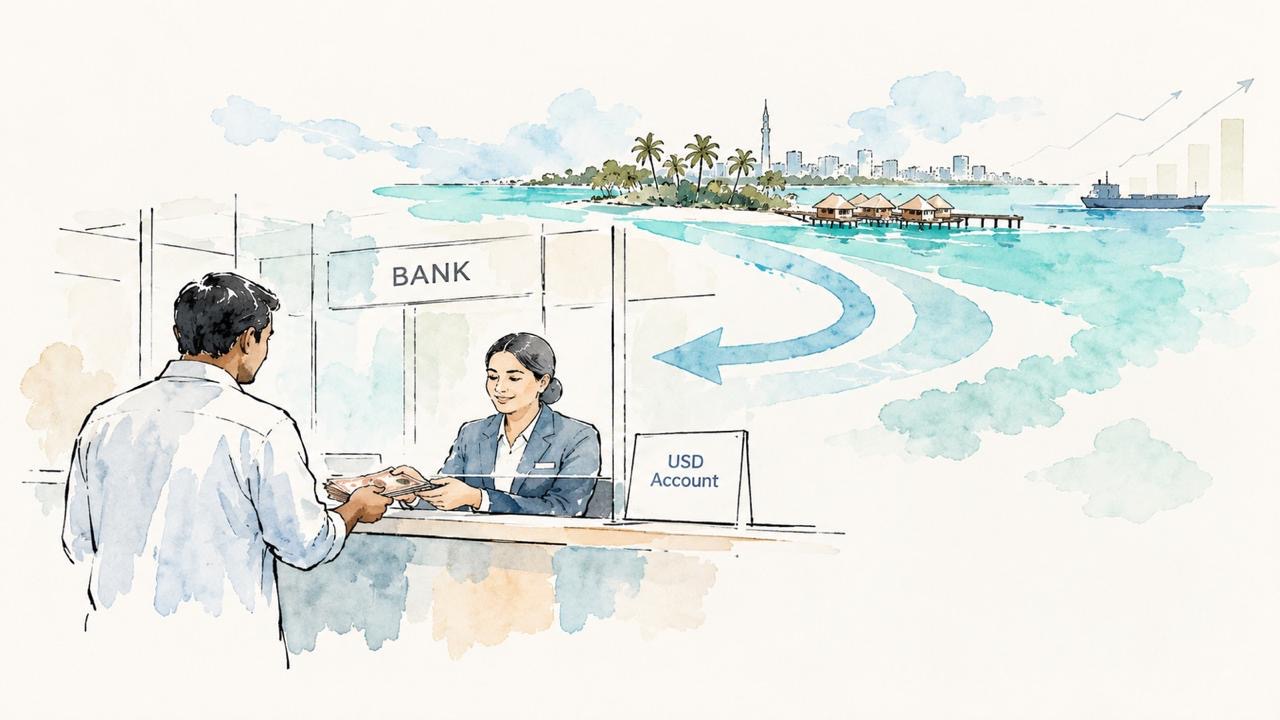
In the late 1990s and early 2000s, I could walk into a bank in Malé carrying Maldivian Rufiyaa and ask the teller to deposit the equivalent amount into my US dollar account. The transaction would be completed without questions, special arrangements or uncertainty about whether dollars were available.
It was an ordinary banking transaction. Yet, looking back, it represented something important: confidence in our currency and the freedom to use our own money.
At the Maldives Islamic Bank Guesthouse Symposium on 15 October, I was asked what I hoped to see in the Maldivian economy over the next ten years. My answer was simple. I would like to see us return, within the next couple of years, to a time when accessing foreign currency through a bank was no longer a daily concern.
That aspiration offers a useful way to assess the Foreign Currency Act (FCA). What has it achieved, why have its benefits not been widely felt, and what must change if we are to restore confidence in the economy?
What the FCA has achieved
The FCA, which came into force in January 2025, requires designated businesses earning foreign currency to convert part of their earnings through domestic banks.
More dollars in the banks do not necessarily mean easier access to dollars in the economy.
Amendments effective September 2026 increased the conversion requirement for resorts to 40 percent of monthly foreign currency sales, while retaining alternative requirements for guesthouses and other Category B establishments.
The economic purpose is understandable. Tourism generates substantial foreign currency earnings, but those earnings do not necessarily become available to the domestic banking system. By requiring conversion, the law channels a larger share of existing foreign currency earnings through local banks.
This has helped improve foreign currency liquidity and supported the country’s ability to meet immediate external obligations. The International Monetary Fund has in fact recognised the FCA’s contribution to easing foreign exchange liquidity pressures and building reserves.
These are meaningful achievements, particularly when the country still faces substantial external debt repayments. But we must distinguish between improving the availability of dollars to the banking system and resolving the economy’s underlying shortage of foreign currency.
Why the economy has not felt sufficient relief
Mandatory conversion does not, by itself, create additional dollars for the country. It changes how existing foreign currency earnings are channelled and distributed.
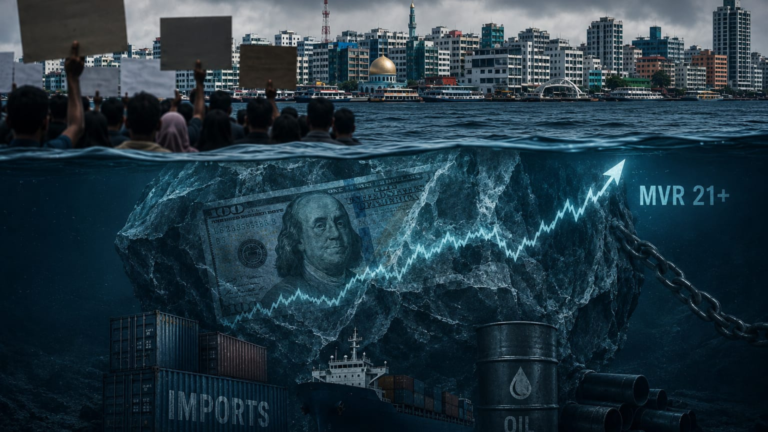
A dollar converted by a tourism business becomes available through the banking system, but that dollar may be needed for fuel, food, medicine, debt repayments or other external commitments.
These are legitimate and often unavoidable demands.
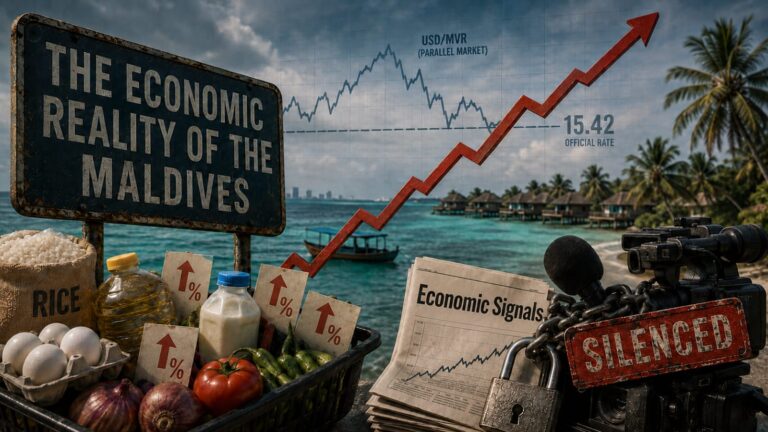
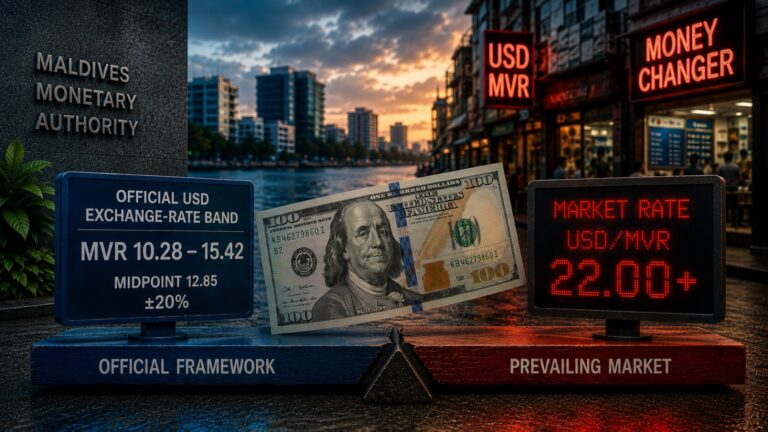
When those demands remain greater than the foreign currency available at the prevailing exchange rate, businesses and households continue to face restrictions, delays and uncertainty.
This explains why an increase in foreign currency entering the banking system does not necessarily translate into easier access across the board.
There is also a cost to the businesses required to convert their earnings. Tourism operators themselves have foreign currency obligations, including imported supplies, overseas payments and financing costs. Conversion requirements must therefore be assessed not only by the dollars they mobilise, but also by their effects on business operations and investment confidence.
The central question is not simply how many dollars banks receive. It is how reliably the economy can meet its legitimate foreign currency needs.
The fiscal connection
The foreign currency shortage cannot be separated from public finance.
Government spending, public borrowing and debt servicing influence the demand for foreign currency. When fiscal commitments grow faster than the economy’s capacity to finance them sustainably, pressure on the banking system and external reserves can persist.
The repayment of major external obligations is important. It demonstrates that the country has honoured those commitments. But repayment alone does not establish debt sustainability.
Dollar conversion can help us meet today’s obligations. Fiscal discipline and economic reform are what will make tomorrow’s obligations easier to meet.
If domestic borrowing continues to rise, recurrent expenditure remains difficult to control, and new financing pressures accumulate, the underlying problem has not disappeared. The burden may simply have shifted from one part of the financial system to another.
This is why foreign currency regulation cannot substitute for fiscal discipline.
What must change
Restoring a functioning foreign exchange market requires a broader economic adjustment.
The Government must bring expenditure and borrowing onto a sustainable path, improve the management of public debt, and strengthen oversight of state-owned enterprises. Fiscal policy must reduce, rather than continually add to, pressure on the country’s limited foreign currency resources.
At the same time, the Maldives must strengthen its capacity to earn and retain foreign currency through productive investment, tourism, fisheries and other internationally competitive activities.
Foreign currency policy should also become more transparent. We need regular information on how much foreign currency enters the banking system, how much is supplied to different users, and whether businesses and households are experiencing improved access.
Over time, as fiscal and external pressures ease, the objective should be to reduce dependence on compulsory allocation and restore a more predictable, accessible foreign exchange market.
The real measure of success will not be the percentage of tourism dollars converted. It will be whether businesses can make legitimate payments on time, whether households can access foreign currency for genuine needs, and whether confidence in the banking system is restored.
The aspiration
I do not suggest that the economic circumstances of the late 1990s and early 2000s can simply be recreated. Our economy is larger, more complex and more exposed to international financial pressures today.
The real measure of economic confidence is when people can walk into a bank and access foreign currency without uncertainty or special arrangements.
But the experience of walking into a bank with Rufiyaa and obtaining dollars without difficulty remains a meaningful benchmark. It represents more than convenience. It reflects the confidence that people have in their currency, their banks and the economy in which they live.
The Foreign Currency Act may help us manage an immediate shortage. The greater task is to build an economy that no longer needs to rely so heavily on such measures.
A few years from now, I would like a Maldivian to walk into a local bank, request a legitimate foreign currency transaction, and leave without having to wonder whether the dollars will be available.
That would be a tangible sign of economic freedom, economic confidence and a better quality of life.