
RasMalé: The $20 Billion Question
RasMalé promises investment on an unprecedented scale. But beyond the headline numbers, the key question is how much economic value the Maldives will actually retain, and what it gives in return.
RasMalé promises investment on an unprecedented scale. But beyond the headline numbers, the key question is how much economic value the Maldives will actually retain, and what it gives in return.
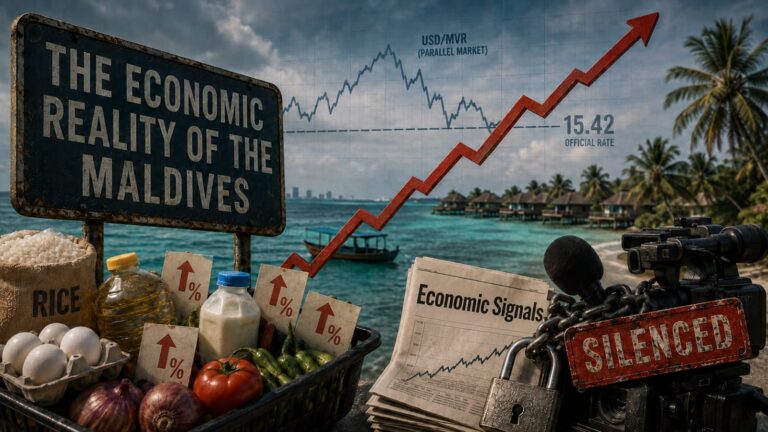
The Maldives faces rising living costs, persistent foreign-exchange pressures and deeper structural weaknesses in its economy. Restricting discussion of these pressures cannot make them disappear. Economic reform requires confronting the signals, understanding their causes and addressing the conditions that produce them.
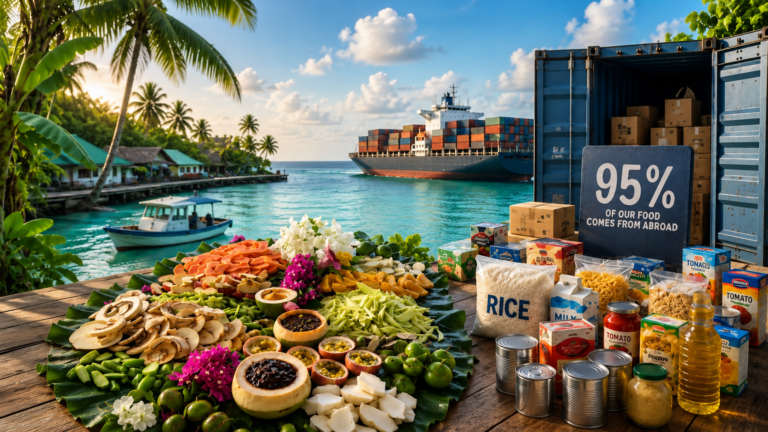
The Maldives imports nearly all of its food despite generating billions from tourism each year. Building a more resilient food system will require smarter production, stronger logistics, and better integration between local agriculture and the tourism economy.
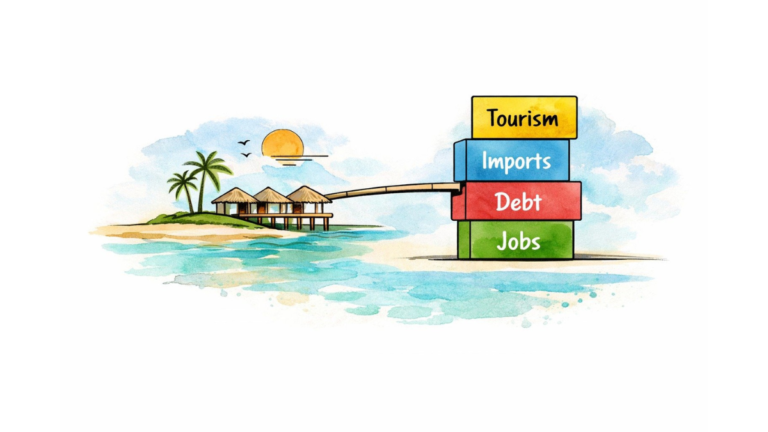
Tourism transformed the Maldives and remains its principal source of foreign exchange. But high import dependence, external debt, foreign labour and weak domestic linkages mean that strong tourism performance has not translated into a sufficiently diversified and resilient economy.

The growing global market for Muslim-friendly travel presents a potential opportunity for the Maldives to diversify its tourism offering. This article examines the country’s advantages, market potential and the policy and certification challenges involved in developing halal tourism.

The Maldives International Financial Centre could become a major source of investment and economic diversification. But a project of this scale requires rigorous due diligence, transparency, legal safeguards and effective public oversight.
Rising tourist arrivals do not necessarily translate into proportionate revenue growth. Changes in visitor spending and source-market composition raise important questions about the long-term performance of Maldives tourism.

An assessment of the Maldives’ 2025 Budget, examining revenue dependence on tourism, rising public debt, deficit financing, subsidy reform, expenditure priorities, fisheries, diversification and inflation.
2025 ވަނަ އަހަރުގެ ދައުލަތުގެ ބަޖެޓު ވަޒަންކުރުން: އާމްދަނީ ހޯދުމުގައި ފަތުރުވެރިކަމަށް އޮތް ބަރޯސާއާއި، ދައުލަތުގެ ދަރަނި އިތުރުވުމާއި، ބަޖެޓުގެ ޑެފިސިޓް ފޫބެއްދުމާއި، ސަބްސިޑީ ނިޒާމަށް ގެންނަ އިސްލާހުތަކުގެ އިތުރުން، ޚަރަދުކުރުމުގައި އިސްކަންދޭ ދާއިރާތަކާއި، މަސްވެރިކަމާއި، އިގްތިސާދު ސިންދަފާތުކުރުމާއި އިންފްލޭޝަނާ ގުޅޭގޮތުން ތައްޔާރުކޮށްފައިވާ ދިރާސާއެއް.
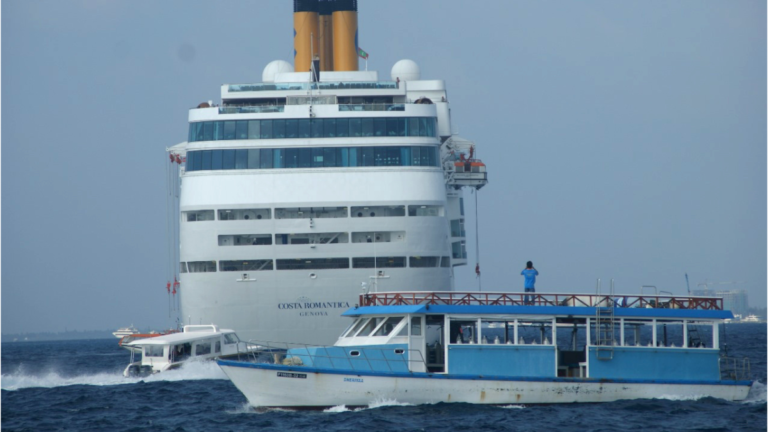
Examining the Maldives’ fiscal vulnerabilities and exposure to external shocks, this article considers the reforms needed to strengthen fiscal sustainability, economic resilience and long-term growth.